
New pipes, done once, done right.
A repipe is one of the biggest plumbing decisions a homeowner makes — and one of the most oversold. We’ll tell you when your pipes genuinely need replacement, when a section repair will do, and exactly what clean repipe workmanship looks like.
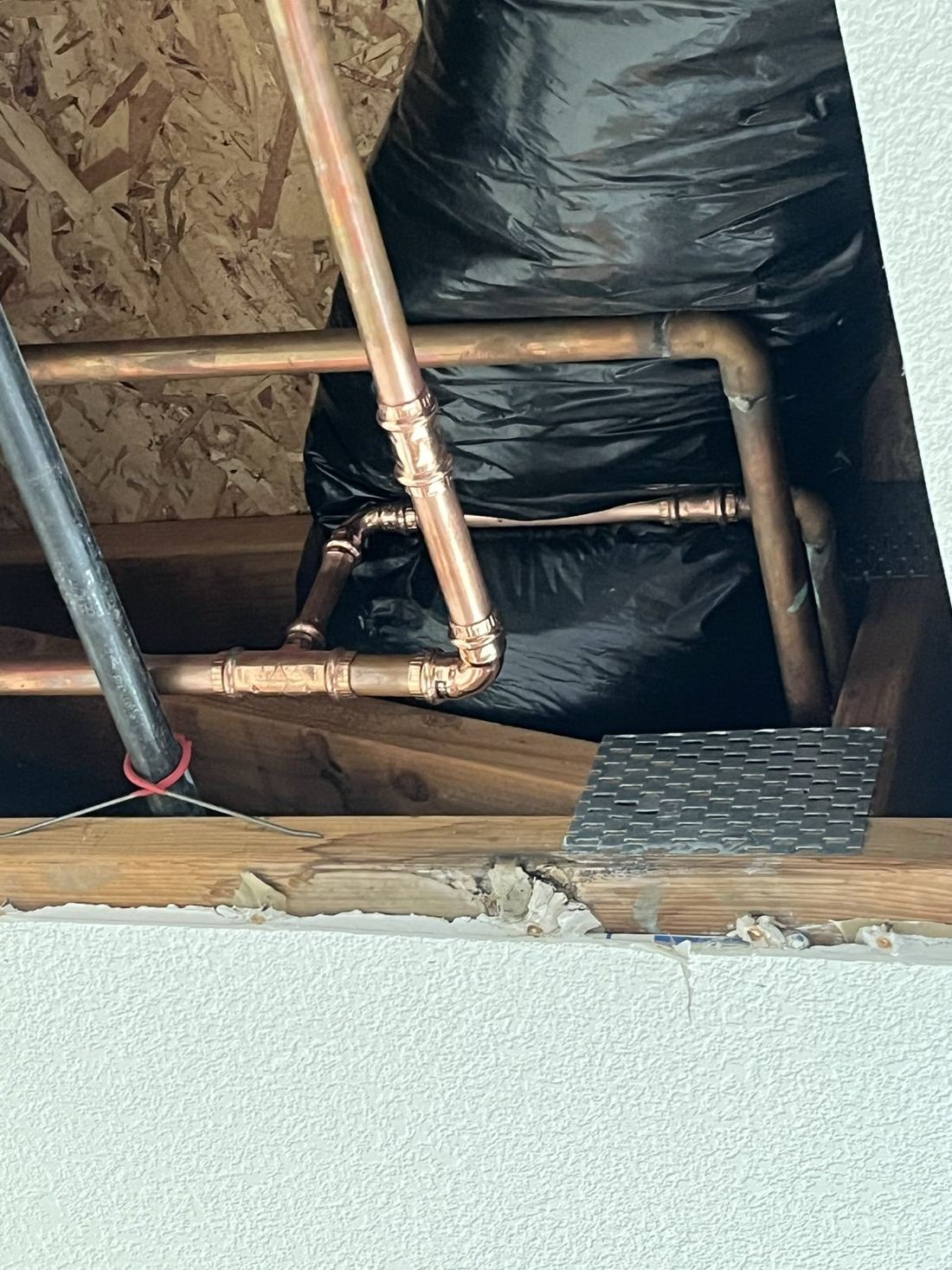
Start with the symptom.
Low water pressure that’s gotten worse over years
The signature of galvanized steel pipe closing itself off with internal rust. Pressure falls fixture by fixture, slowly.
Rusty water first thing in the morning
Water sitting overnight in corroding galvanized pipe picks up color. It clears after a minute — and tells you where the pipe is in its life.
Repeated pinhole leaks in copper
One pinhole is a repair. Three in two years is a pattern, usually water chemistry or original workmanship — time to talk strategy, not patches.
A leak inside a wall or slab
Sometimes the right fix is a reroute rather than opening the slab — part of the same repipe conversation.
Why it happens here
Santa Rosa, Petaluma and Sonoma homes built before the mid-1960s often still carry original galvanized steel supply lines — pipe with a 40–60 year design life that’s now decades past it. Homes from the 70s–90s are mostly copper, which generally lasts beautifully but can develop pinhole patterns in some neighborhoods. A repipe replaces the supply system’s liability with 50+ years of certainty.
How we diagnose it
We start by identifying what’s actually in your walls — material, age, routing and condition — and measuring static and working pressure. Low pressure doesn’t automatically mean you need new pipes: a failed pressure regulator, a half-closed valve, or one corroded section can mimic a dying system. We find where the pressure is dropping and why before anyone talks about a repipe.
Repair or replace — our honest rule
Copper or PEX is the real question on most repipes, and the honest answer is: both are excellent when installed well. Copper is time-proven, rigid and fire-resistant; PEX is flexible, quieter, better in freeze events, and faster to install with fewer joints. We install both and will recommend based on your house — not on what’s on the truck.
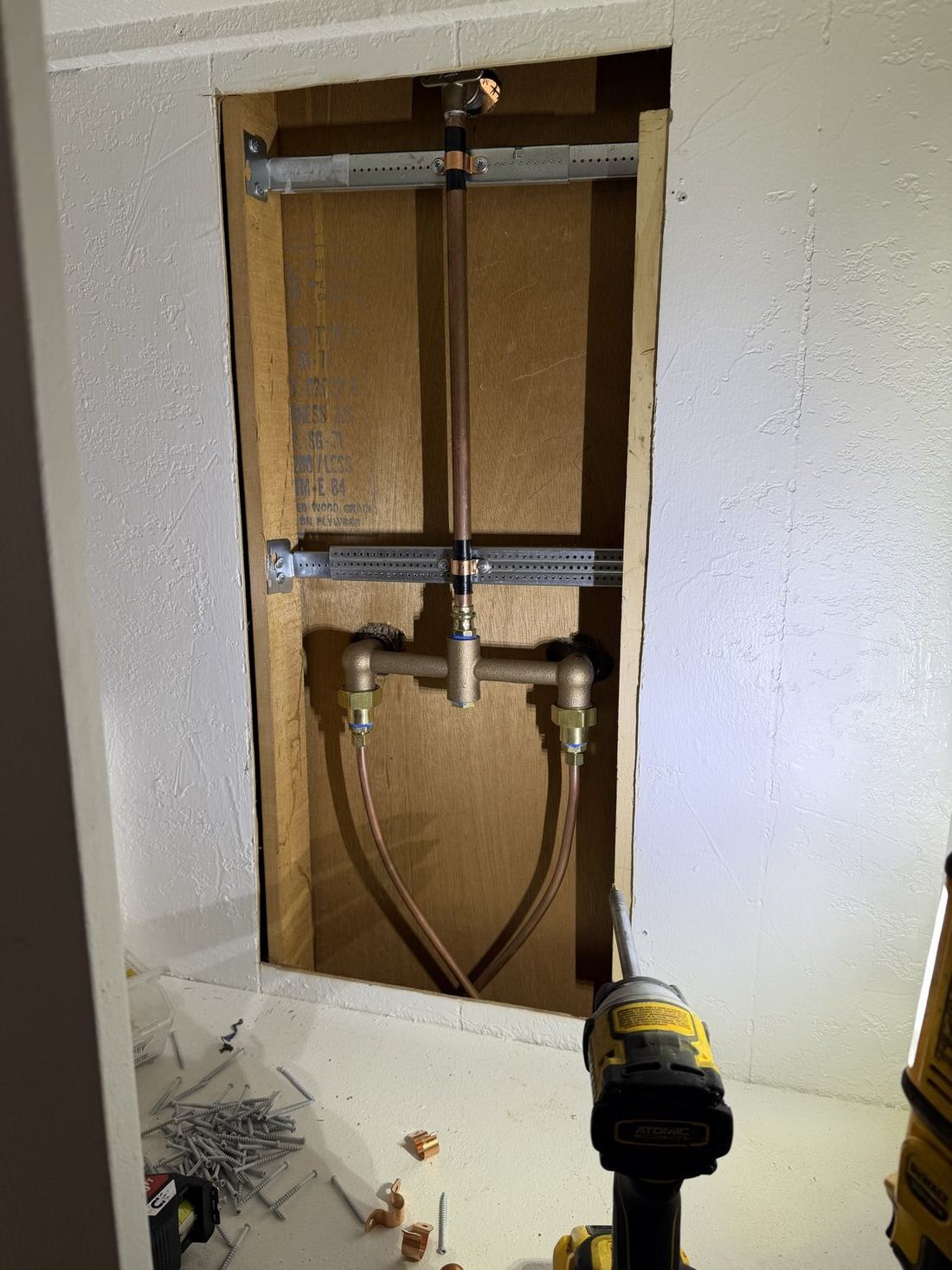
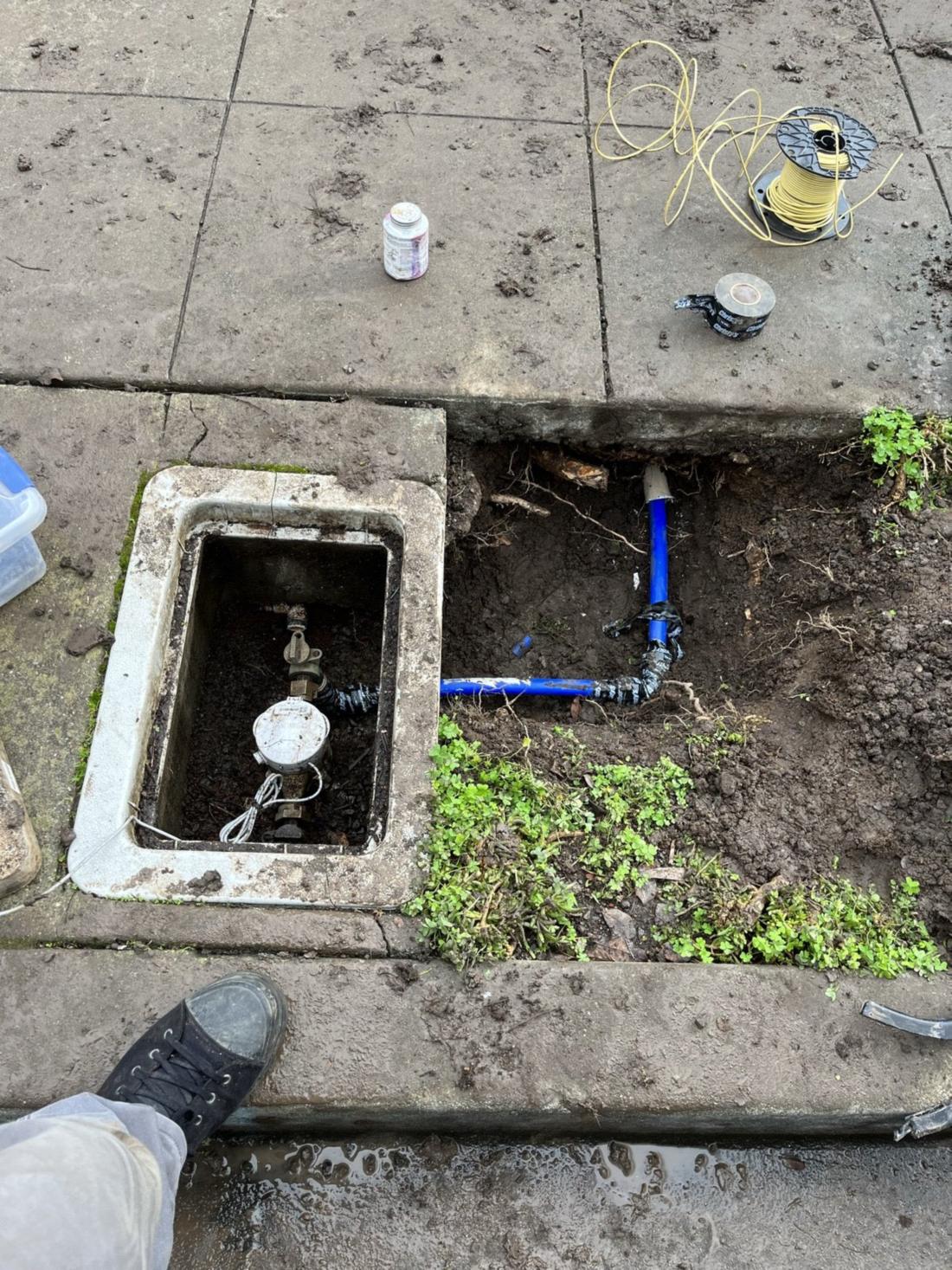
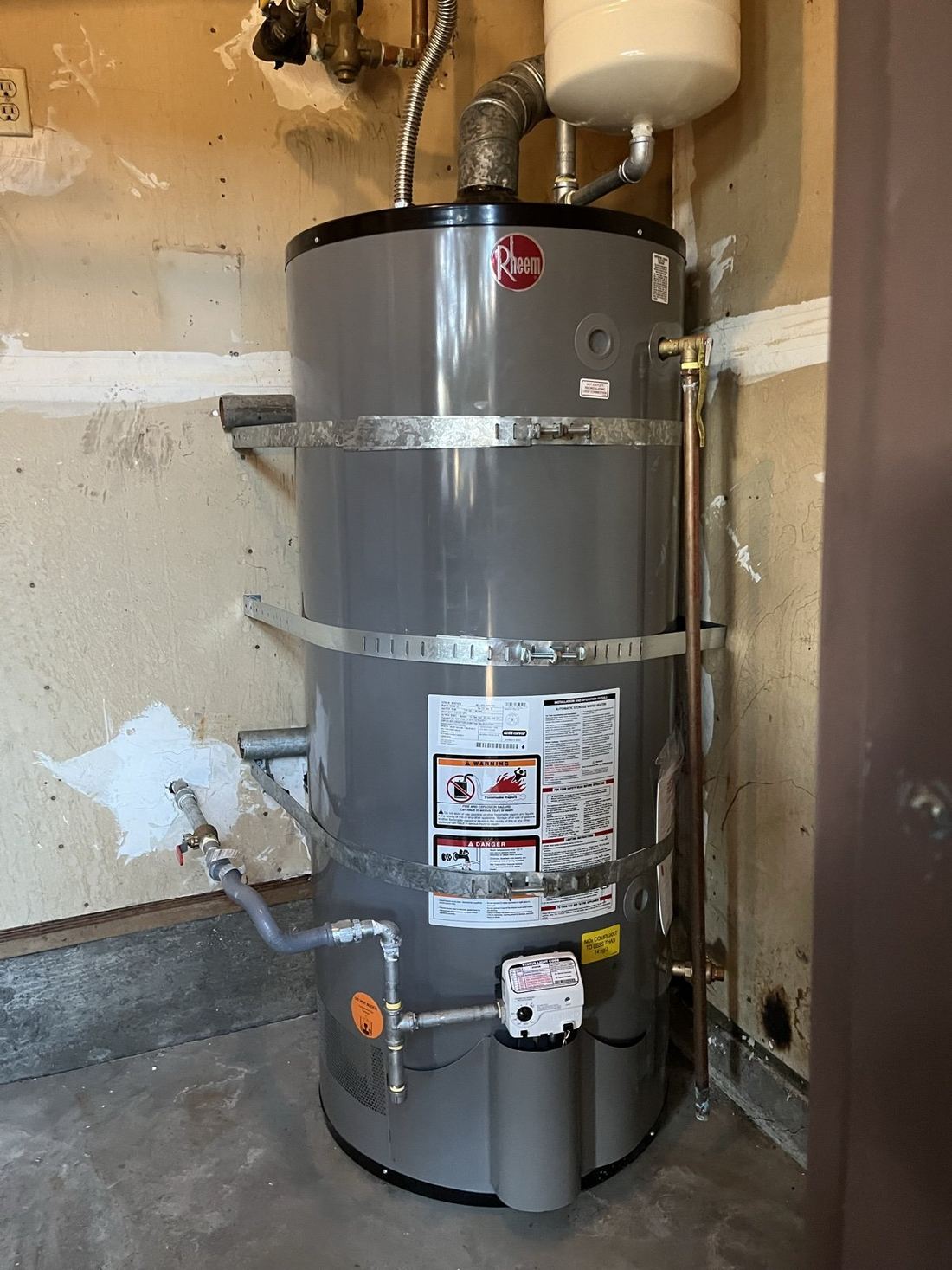
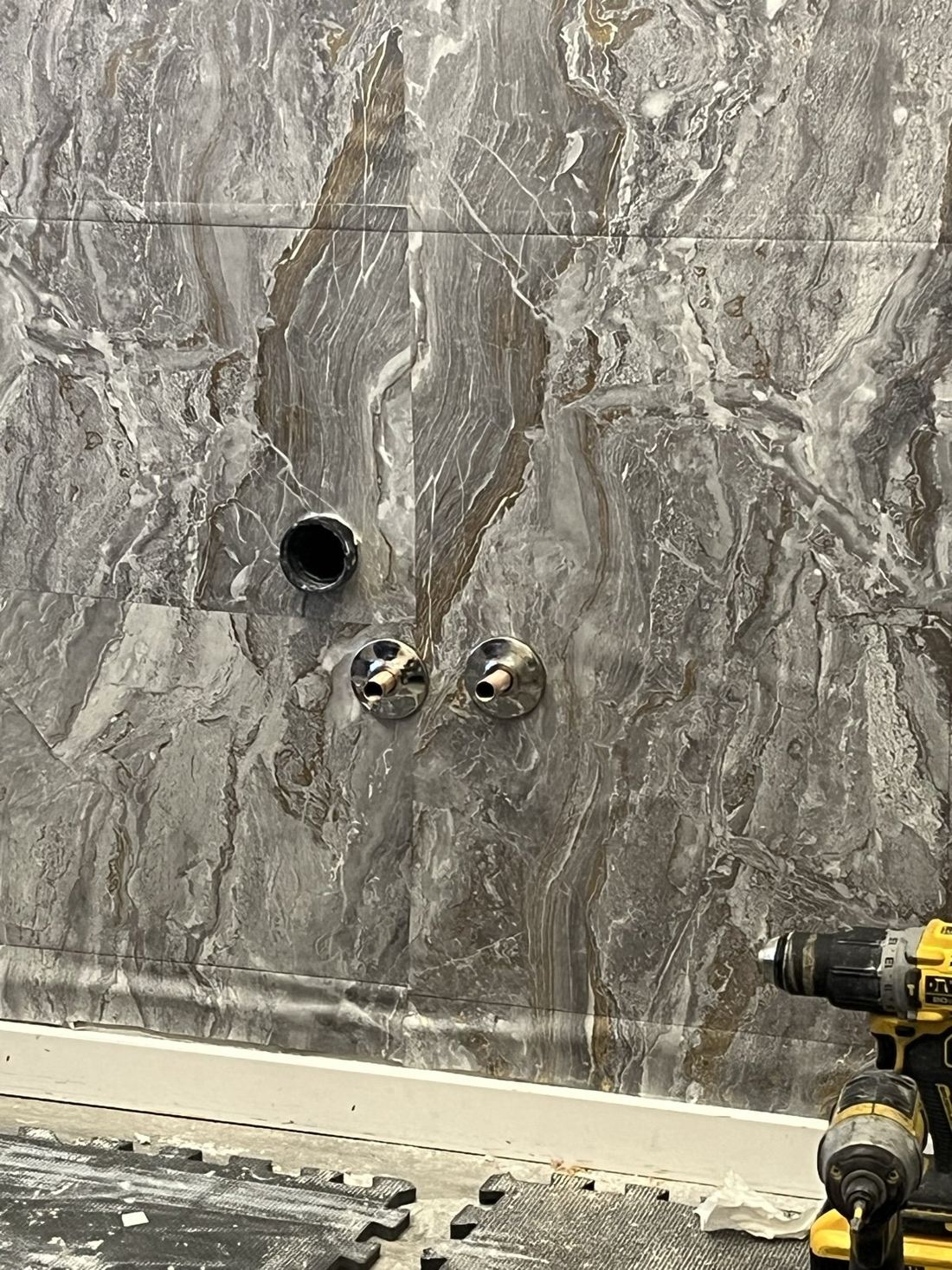
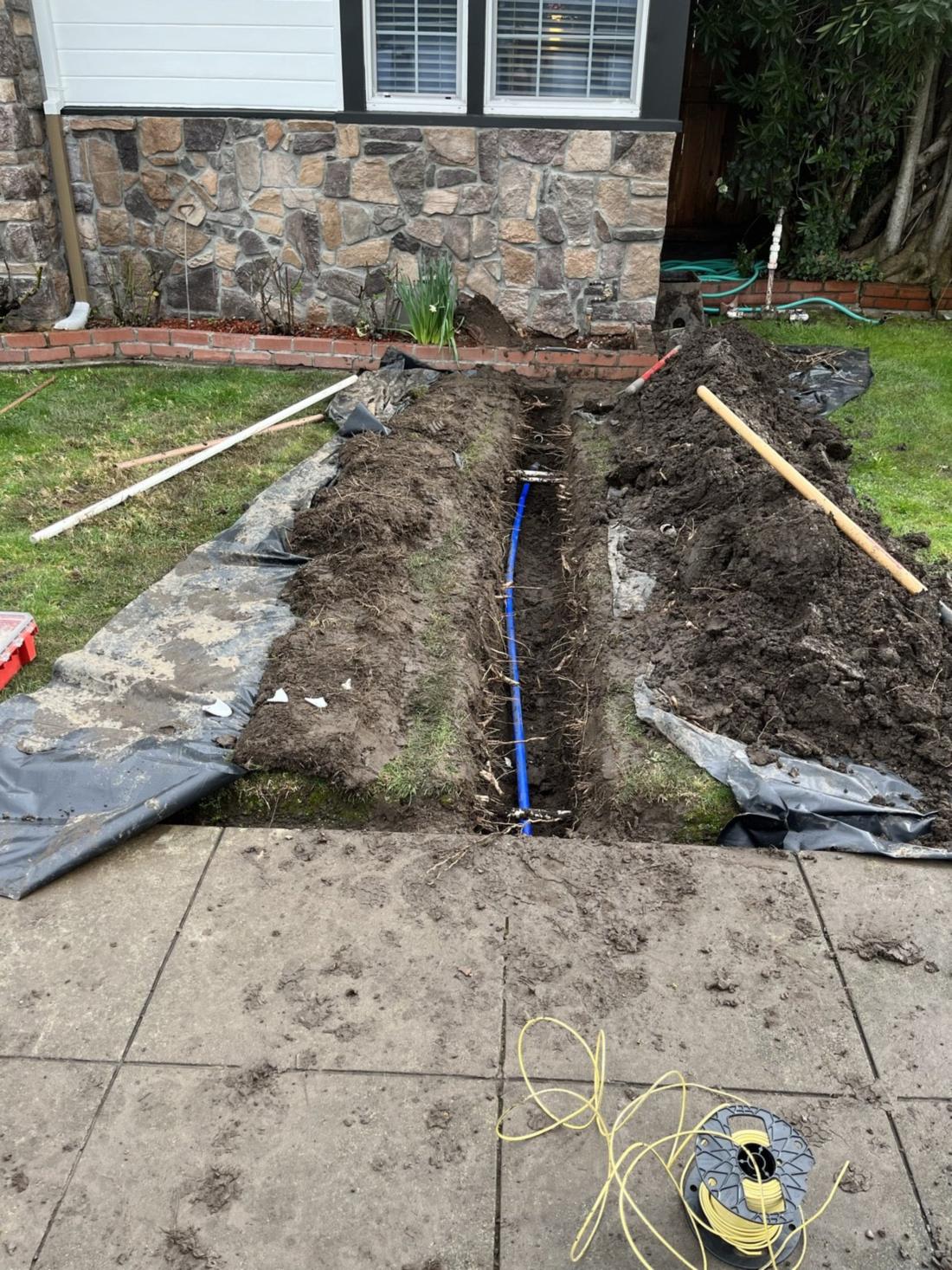
From our job sites, not a stock library.
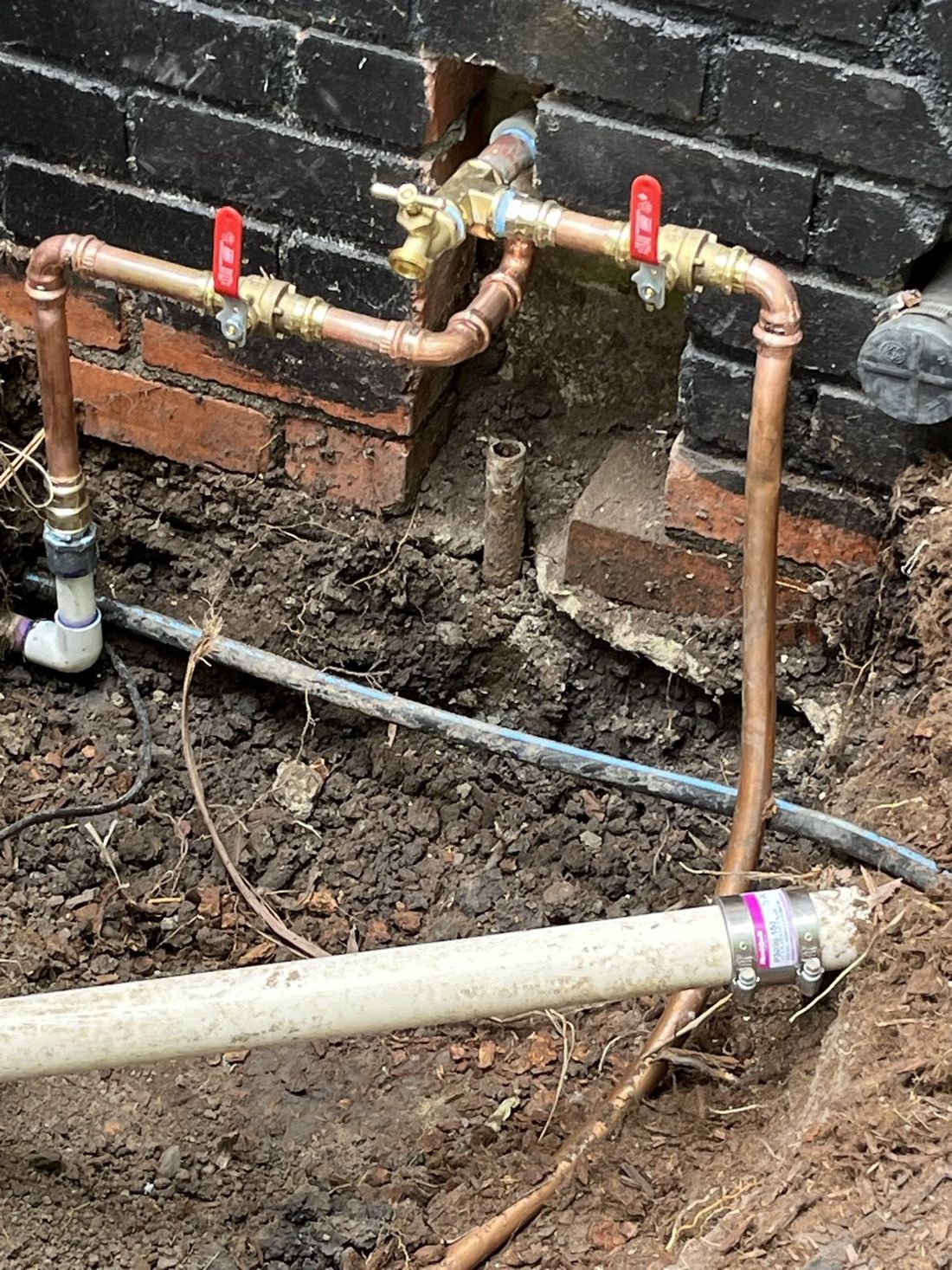
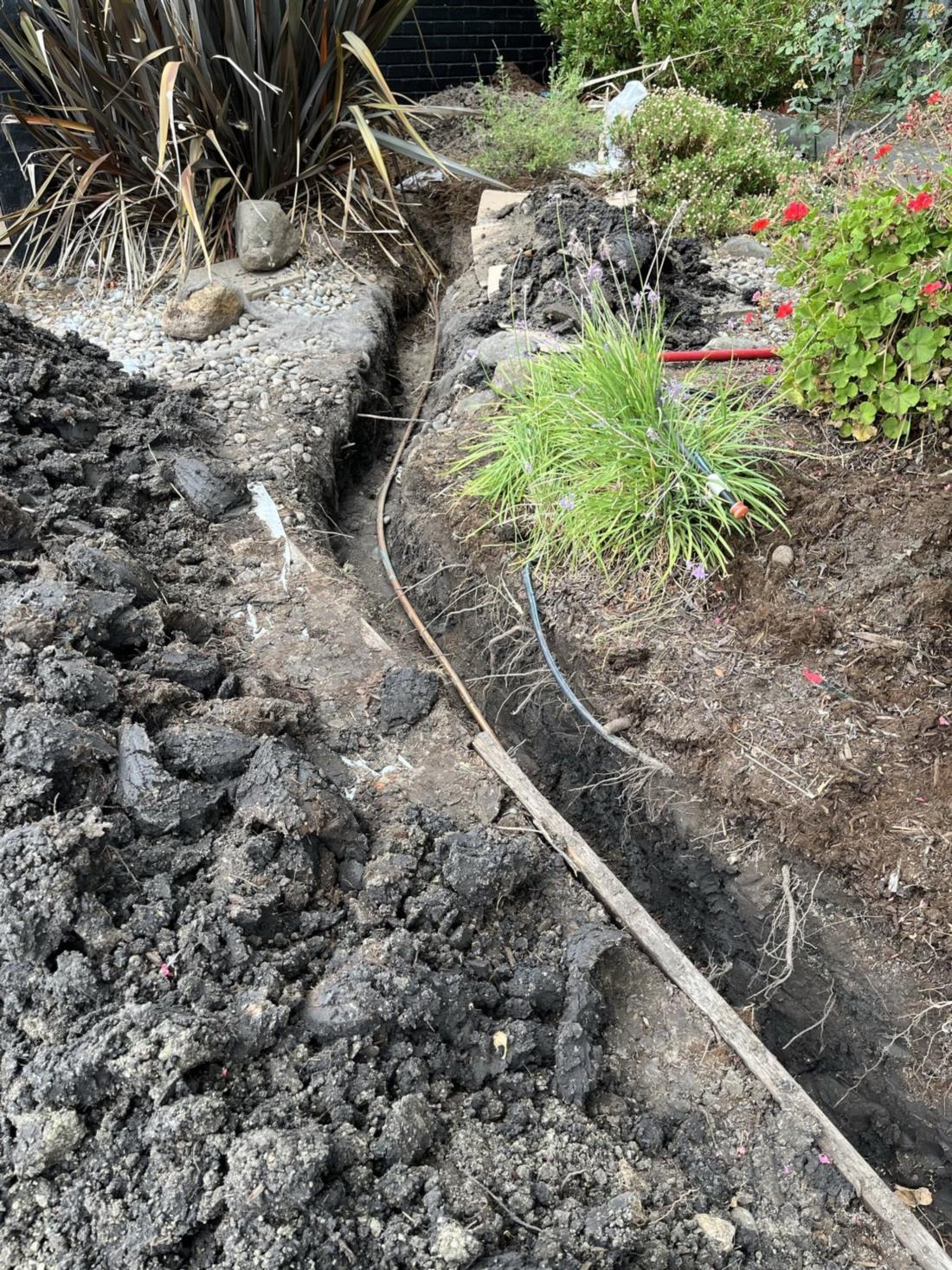
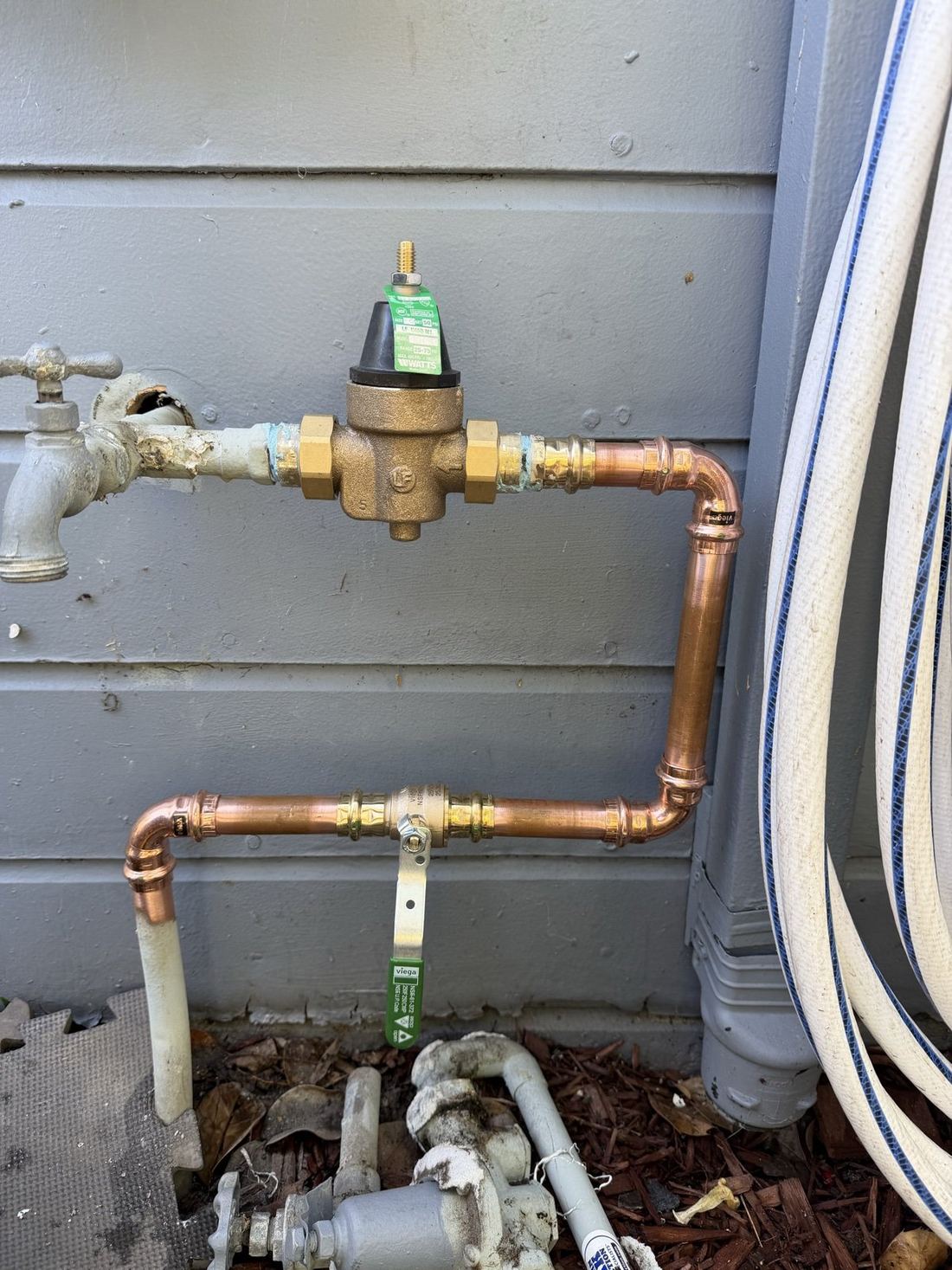
Questions homeowners actually ask
How do I know if my home has galvanized pipe?
Check where pipe is visible — under sinks, at the water heater, in the crawlspace. Galvanized is gray metal, threaded at joints, and a magnet sticks to it. If your home is pre-1965 Sonoma County and hasn’t been repiped, there’s a good chance at least some remains.
Copper or PEX — which should I choose?
We install both. Copper has a century of track record and handles sun-exposed and exterior runs better. PEX shrugs off freezes, installs with fewer joints, and is gentler on budgets. In many homes the right answer is a mix. We’ll recommend for your house specifically — either way you get clean, permitted, pressure-tested work.
How disruptive is a repipe?
A typical single-family repipe takes days, not weeks, and water is back on each evening. There is drywall access cutting involved — anyone who says otherwise is glossing — but a careful crew opens small, planned sections and leaves them patch-ready.
Does low water pressure mean I need a repipe?
Not automatically — and this is where honest diagnosis matters. We start by identifying where the pressure is dropping and why. A failed regulator or a single corroded section is a far smaller fix, and if that’s your situation, that’s what we’ll tell you.
Related services
Serving Santa Rosa · Sebastopol · Windsor · Healdsburg · Petaluma · Sonoma — see the full service area.
Dealing with a repiping problem?
Tell us what you're seeing — we'll tell you what it probably is, and what it takes to fix it right.