
Running toilets waste more water than you think.
A silently leaking toilet can waste hundreds of gallons a day. Most toilet problems are inexpensive to fix — and when replacement makes sense, today’s high-efficiency models are genuinely better, not just newer.
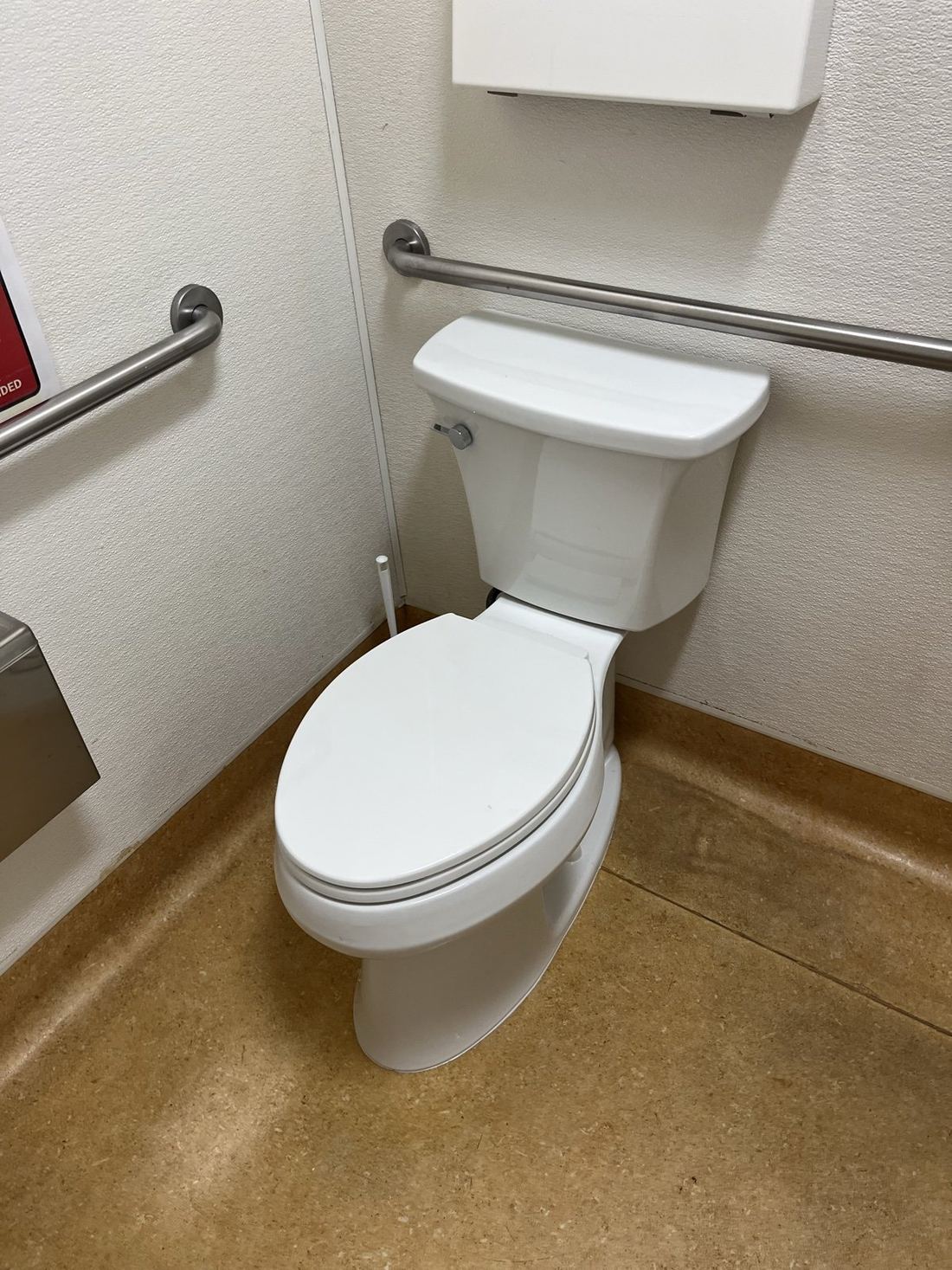
Start with the symptom.
Runs constantly or cycles at night
A worn flapper or fill valve — the classic silent water-waster. Cheap parts, real savings.
Rocks or moves when you sit
Usually the flange or bolts — and sometimes a wax seal that’s already compromised. Fix it before it leaks into the subfloor.
Water at the base
A failed wax ring lets water (and odor) escape at every flush. The floor under it is what we’re protecting.
Weak or incomplete flush
Mineral-clogged rim jets, a warped flapper, or a trapway partial — diagnosable in minutes.
Why it happens here
Flappers and fill valves are wear items — a few years of chlorinated water hardens them. Wax seals fail from rocking, settling or age. And pre-1994 toilets simply use three to five times the water of a modern one, every flush.
How we diagnose it
We check tank internals, the seal, the flange and the shutoff — the whole installation, because the running toilet you called about and the crusty shutoff that won’t close are both problems worth knowing about.
Repair or replace — our honest rule
Parts-level repairs solve most calls. We recommend replacement when the bowl or tank is cracked, when an older toilet clogs chronically by design, or when you’re already paying for a service call on a unit worth less than the visit. ADA-height and high-efficiency options are worth considering any time a toilet comes out.
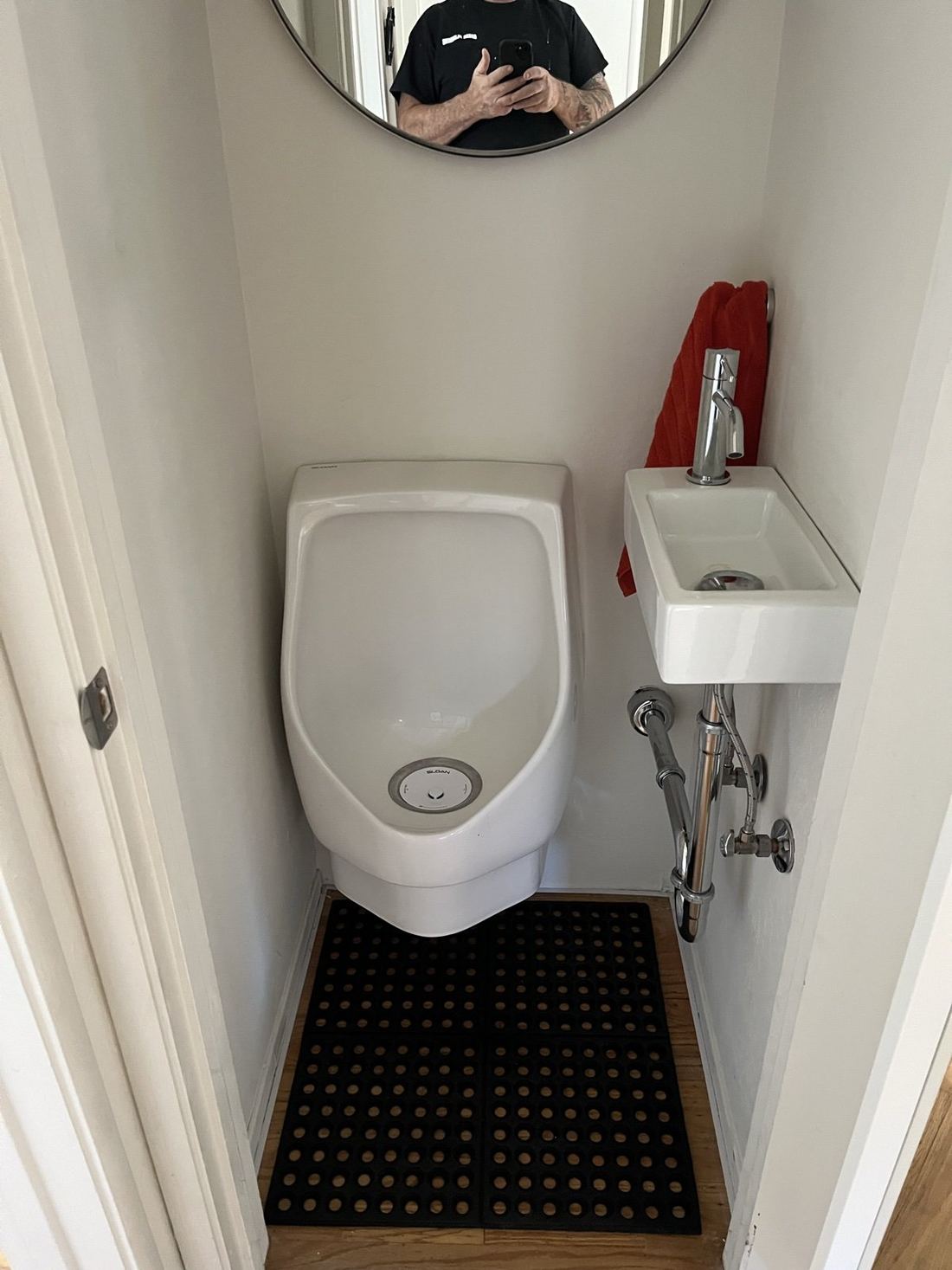
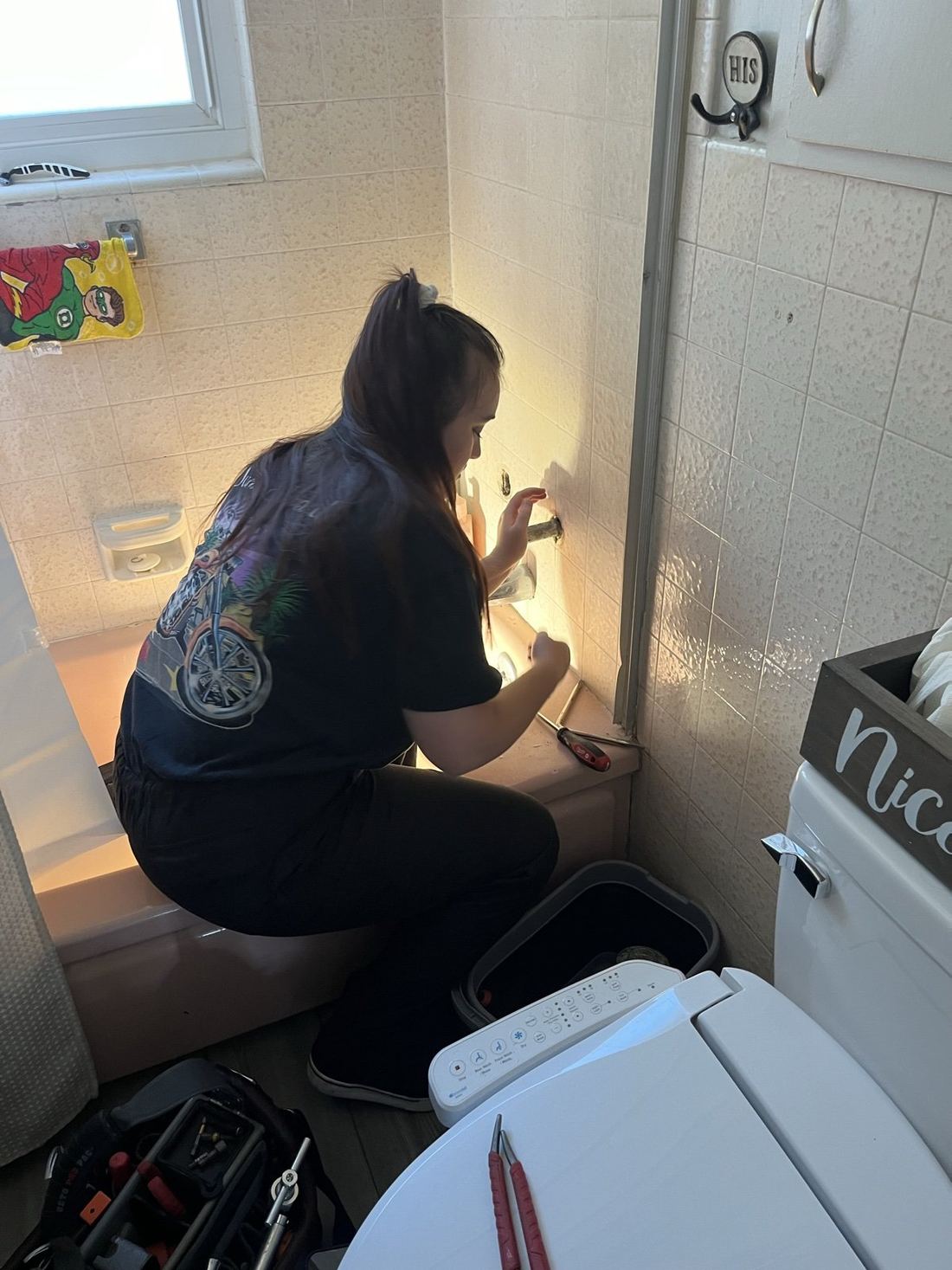
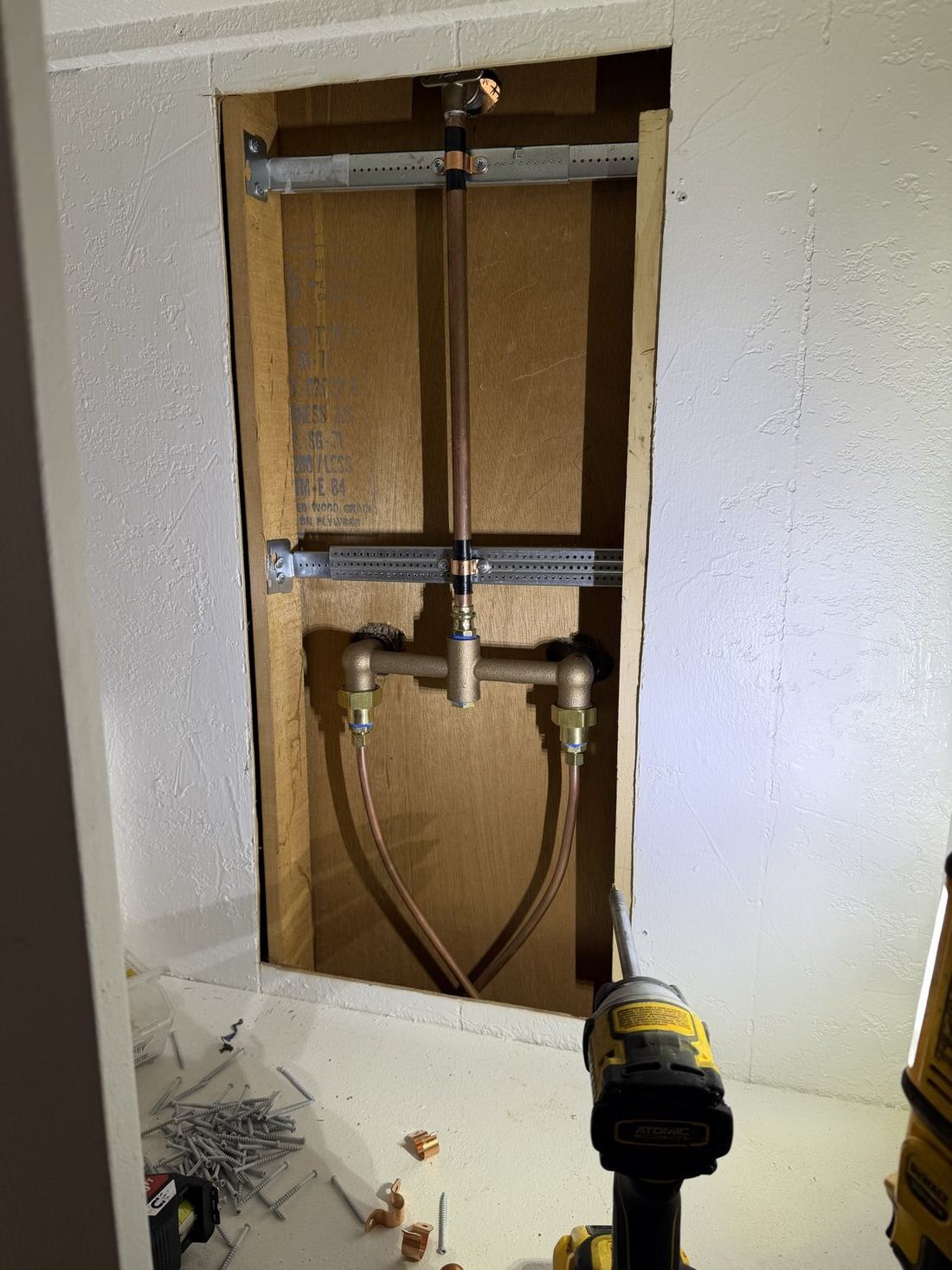
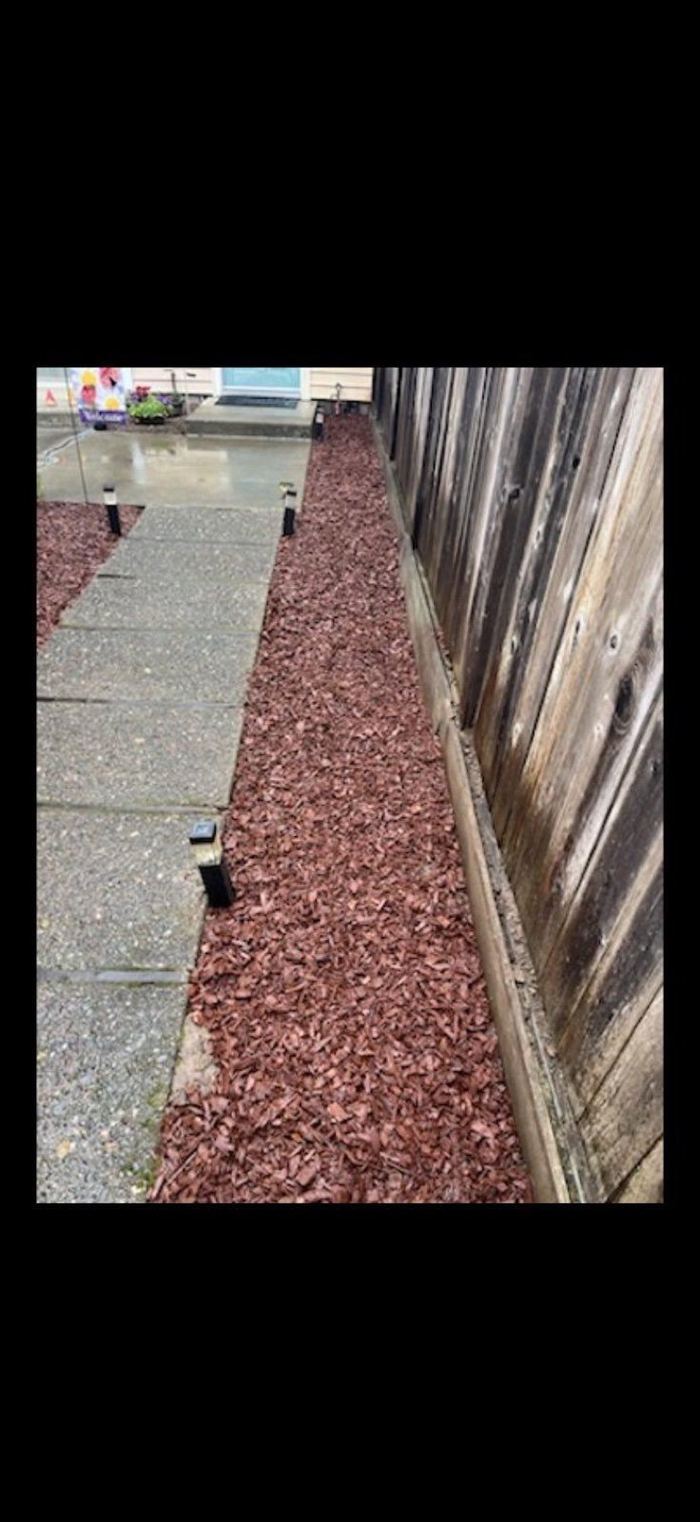
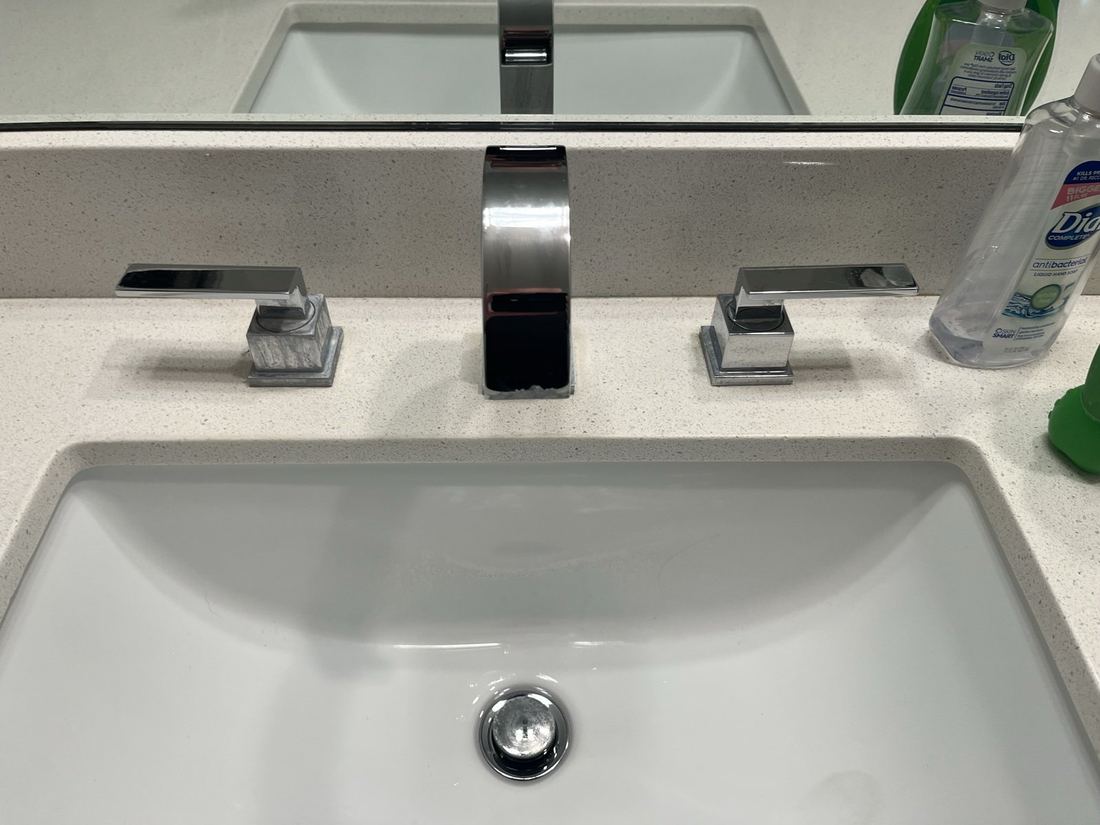
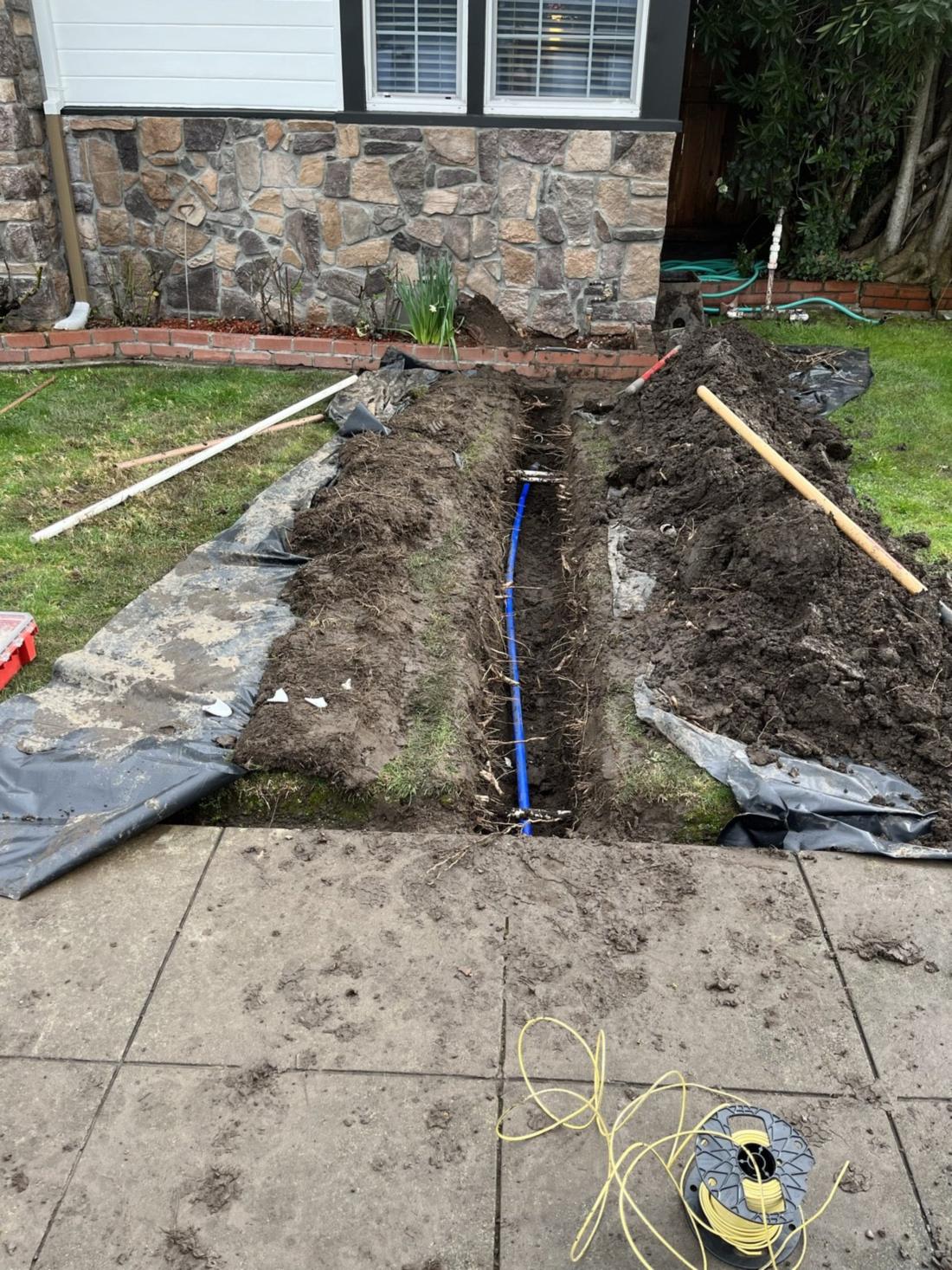
From our job sites, not a stock library.
Questions homeowners actually ask
How do I know if my toilet is leaking silently?
Put a few drops of food coloring in the tank and wait 15 minutes without flushing. Color in the bowl means the flapper is leaking — a few-dollar part that can be wasting hundreds of gallons a day.
Are modern low-flow toilets actually any good?
Today’s, yes. Early-90s low-flow earned the bad reputation; modern high-efficiency designs flush better than the old 3.5-gallon units they replaced while using 1.28 gallons. We install models we’d put in our own bathrooms.
Do you install comfort-height and ADA toilets?
Yes — in homes and commercial spaces, including grab bars and clearances where ADA compliance matters. Comfort-height is the most common pick in replacements now.
Related services
Serving Santa Rosa · Sebastopol · Windsor · Healdsburg · Petaluma · Sonoma — see the full service area.
Dealing with a toilet repair & installation problem?
Tell us what you're seeing — we'll tell you what it probably is, and what it takes to fix it right.